
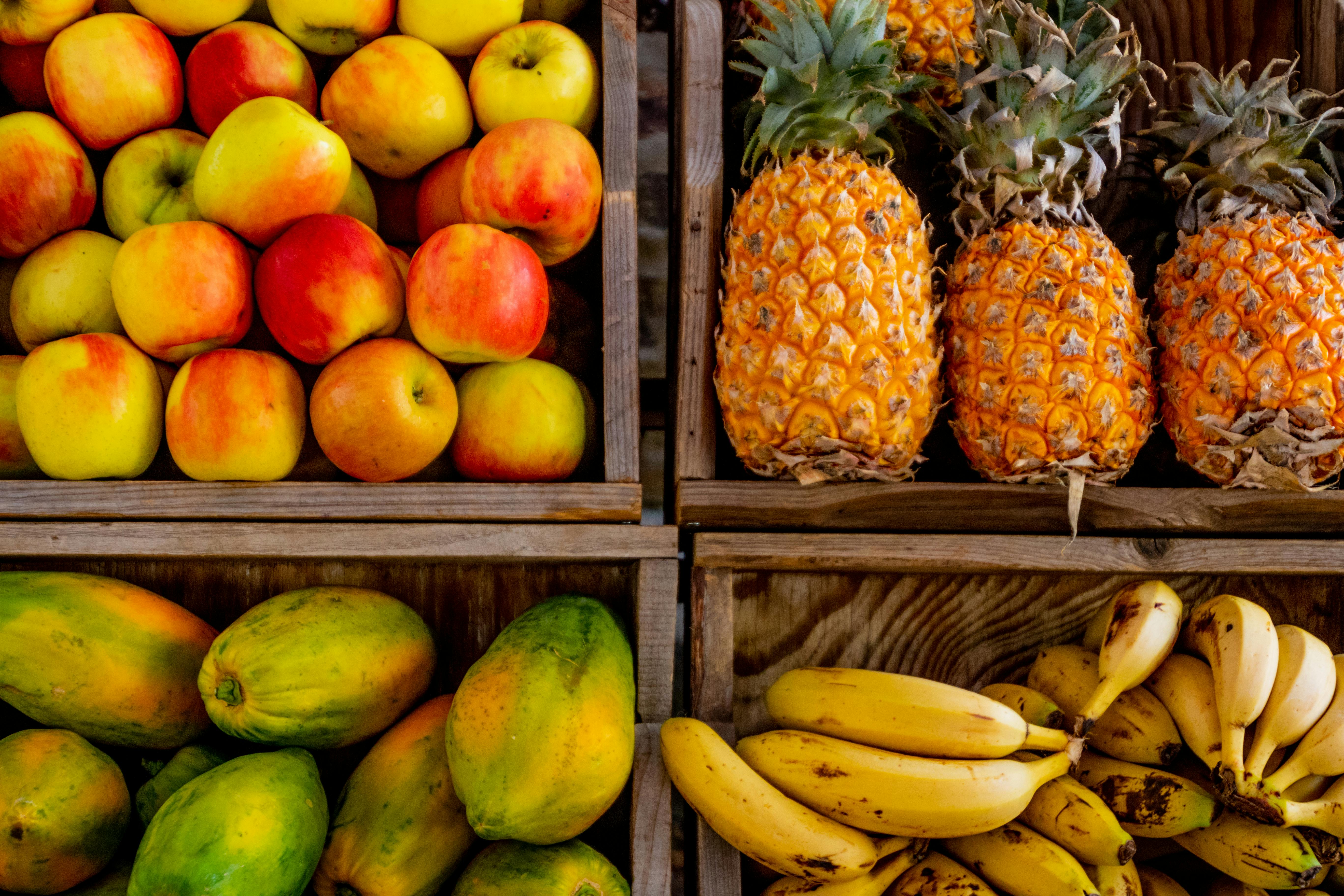
Hey there! If you’re looking to boost your health and energy levels, you’ve come to the right place. The right vitamins and foods can make a world of difference in how you feel every day. Let’s dive into some of the best options out there and how they can support your journey to a healthier lifestyle!
Why Vitamins Matter
Vitamins are essential nutrients that our bodies need to function properly. They help with everything from immune support to energy production. But getting the right vitamins from food is key! Let’s take a look at some of the most important ones and where you can find them.
Key Vitamins for a Healthy Lifestyle
- Vitamin C
Why It’s Important: Vitamin C is a powerhouse when it comes to supporting your immune system. It also acts as an antioxidant, helping to protect your cells from damage.
Sources: Citrus fruits (like oranges and grapefruits), strawberries, bell peppers, and broccoli.
- Vitamin D
Why It’s Important: This vitamin helps your body absorb calcium, which is crucial for strong bones. It also plays a role in mood regulation.
Sources: Sunlight is the best source of vitamin D, but you can also find it in fatty fish (like salmon), fortified dairy products, and egg yolks.
- B Vitamins
Why They’re Important: The B vitamins, including B6, B12, and folate, are essential for energy production and brain health. They also help regulate mood.
Sources: Whole grains, legumes, eggs, and leafy greens are great sources of B vitamins.
- Vitamin E
Why It’s Important: This vitamin acts as an antioxidant, helping to protect your skin and eyes. It also supports immune function.
Sources: Nuts (especially almonds), seeds, spinach, and avocado.
Best Foods for a Healthy Lifestyle
Now that we’ve covered vitamins, let’s talk about some foods that can help you live your healthiest life.
- Leafy Greens
Leafy greens like spinach, kale, and Swiss chard are packed with vitamins, minerals, and antioxidants. They’re low in calories and high in nutrients, making them a fantastic choice for salads, smoothies, or stir-fries.
- Berries
Berries—like blueberries, strawberries, and raspberries—are not only delicious but also rich in antioxidants and fiber. They can help improve heart health and lower inflammation. Add them to your breakfast or enjoy them as a snack!
- Nuts and Seeds
Nuts and seeds are great sources of healthy fats, protein, and fiber. They can help keep you full and satisfied. Almonds, walnuts, chia seeds, and flaxseeds are excellent options. Toss them in salads, yogurt, or oatmeal for added crunch!
- Whole Grains
Whole grains like quinoa, brown rice, and oats are packed with fiber, which is essential for digestive health. They provide sustained energy and can help keep you feeling full longer. Try swapping out white rice for brown rice or oatmeal for breakfast!
- Fatty Fish
Fatty fish, such as salmon, mackerel, and sardines, are high in omega-3 fatty acids, which are great for heart and brain health. Aim to include fatty fish in your diet a couple of times a week. If you’re not a fan of fish, consider taking a fish oil supplement.
- Legumes
Beans, lentils, and chickpeas are fantastic sources of plant-based protein and fiber. They help keep you full and can be used in a variety of dishes—from soups to salads. Plus, they’re super affordable!
Making Healthy Choices
Incorporating these vitamins and foods into your daily routine can be a game-changer for your health. Here are a few tips to get started:
- Meal Prep: Set aside time each week to prepare meals. This makes it easier to choose healthy options when you’re busy.
- Snack Smart: Keep healthy snacks on hand, like nuts, yogurt, or fruit, to avoid reaching for less healthy options.
- Stay Hydrated: Don’t forget to drink plenty of water! Staying hydrated is key to overall health.

Conclusion
Choosing the right vitamins and foods can set you on the path to a healthier lifestyle. By focusing on whole foods and getting enough essential nutrients, you can boost your energy, improve your mood, and support your overall well-being.
So, what are you waiting for? Start incorporating these vitamins and foods into your diet today, and watch how they positively impact your life!
References
- National Institutes of Health. (2021). Vitamin C Fact Sheet for Consumers. NIH.gov
- National Institutes of Health. (2021). Vitamin D Fact Sheet for Consumers. NIH.gov
- Harvard T.H. Chan School of Public Health. (2021). The Nutrition Source: B Vitamins. hsph.harvard.edu
- Mayo Clinic. (2021). Vitamin E. mayoclinic.org
Leave a Reply